
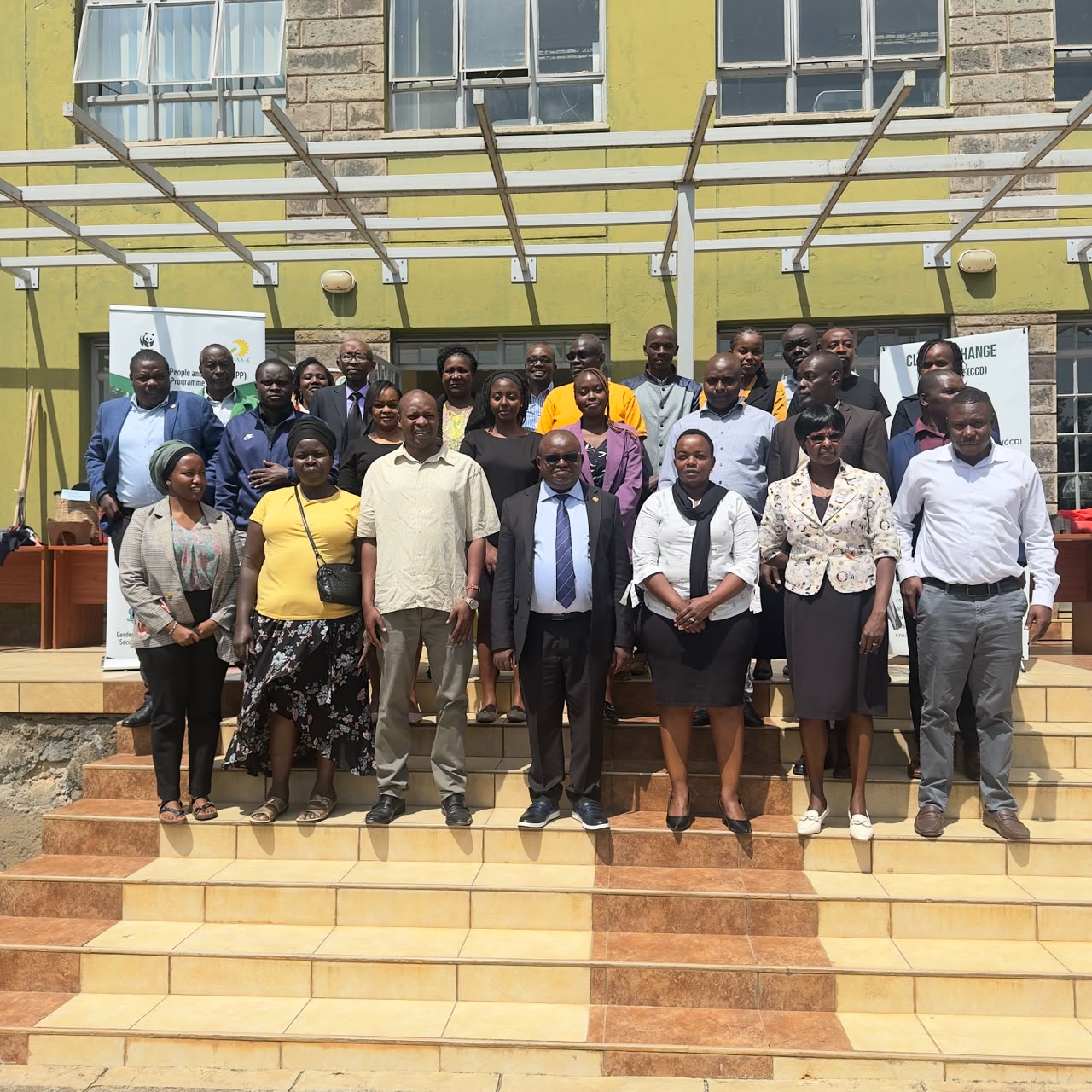
The 3-Day Multi-Stakeholder Engagement Conference on Inclusive Green Enterprises officially kicked off today in Nairobi, bringing together innovators, government representatives, civil society actors, KEPSA and development partner (WWF), to explore pathways for advancing a sustainable and inclusive green economy in Kenya.
Organized by the Sustainable Energy Access Association Kenya (SEAA-Kenya), the conference is being held at the Climate Change Directorate at the Kenya Meteorological Department and under the theme: “Advancing Inclusive Green Enterprises for Sustainable Economic Transformation and Climate Resilience.”
Opening the conference, Commissioner John Kioli, SEAA-K Chairman and Commissioner at the Nairobi Rivers Commission, underscored the urgent need for stronger collaboration between innovators, government institutions, and civil society organizations. He emphasized that inclusive green growth can only be achieved through intentional partnerships that bring all stakeholders to the table.
He noted that Kenya’s transition to a green economy depends heavily on how well emerging innovators are supported and integrated into national development systems.
Financing Inclusion for Marginalized Innovators
In her keynote address, Commissioner Grace Mesopirr Senewa of the Nairobi Rivers Commission highlighted the importance of expanding access to financial institutions and support systems for innovators, particularly those from marginalized groups.
She stressed that while Kenya is witnessing growing innovation in the green economy space, many grassroots entrepreneurs still lack exposure to funding opportunities that could help scale their ideas into impactful enterprises.
Her remarks called for deliberate efforts to bridge the gap between innovators and financial ecosystems that support green enterprise development and appreciated SEAA-K for being among the actors contributing to this process
Showcasing Innovation in Action


One of the key highlights of the first day was an exhibition session where innovators showcased a variety of green products and solutions. Among the innovators was Kibera Women’s Briquettes Group, represented by its leader Millicent Achieng, who transform kitchen waste into briquettes. Through this innovation, they are contributing to improved waste management in their community, reducing air pollution, and helping to lower indoor pollution-related health risks, since briquettes are low-carbon energy alternatives.
Millicent highlighted that one of their biggest ongoing challenges is the lack of machines since they produce them manually. Another challenge is market penetration and the ability to commercially scale and sell their products sustainably. She, however said that these skills have enabled them to keep their children in school and put food on the table.
These innovations demonstrated practical approaches to sustainability, climate resilience, and economic transformation at the community level.
The exhibition provided a platform for networking, learning, and direct engagement between innovators, policymakers, and development partners.
Building a Foundation for Sustainable Growth
Over the three-day conference, participants aim to strengthen collaboration and develop actionable strategies to scale inclusive green enterprises across Kenya. Key focus areas include promoting dialogue on opportunities and challenges within the green economy, showcasing innovative green business models and technologies, and strengthening partnerships between government, the private sector, and civil society organizations. The discussions will also explore financing mechanisms and investment opportunities to enhance policy frameworks and build capacity for sustainable enterprise development to support long-term impact.
LOOKING AHEAD
As the conference progresses, stakeholders are expected to deepen discussions on how Kenya can create a more enabling environment for green enterprises, especially those driven by youth, women, and marginalized communities.
The outcomes of the forum are anticipated to shape future policy direction and strengthen multi-sectoral collaboration in advancing Kenya’s green economy agenda.