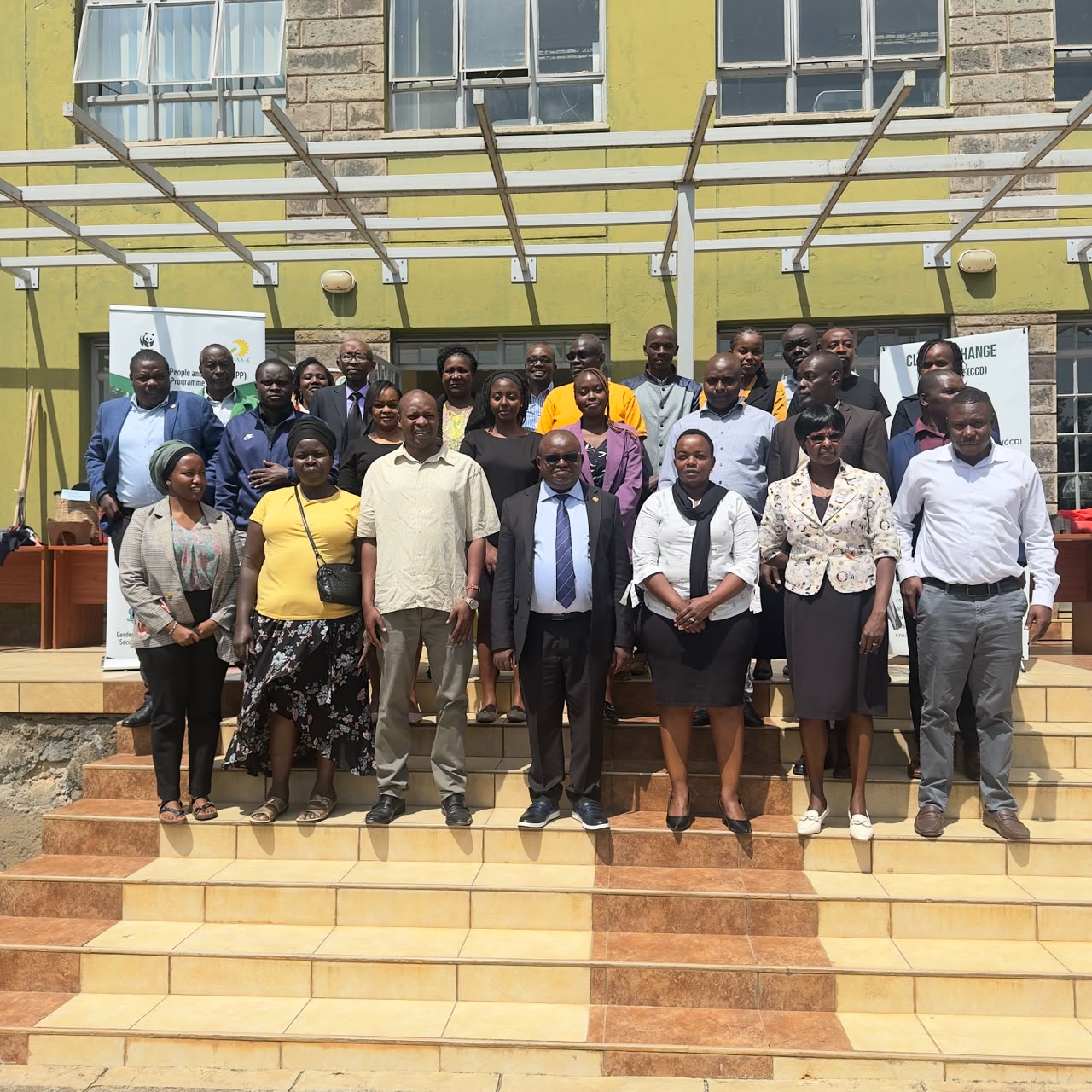
Nairobi, Kenya – The third day of the Multi-Stakeholder Engagement Conference on Inclusive Green Enterprises and Partnerships concluded with a strong call for collaboration, innovation, and practical action to accelerate Kenya’s green economy transition.

Organized by SEAA-Kenya in partnership with WWF, the conference brought together government, private sector actors, civil society, financiers, and innovators to explore ways of scaling inclusive green enterprises across the country. Discussions centered on improving access to finance, strengthening partnerships, and creating an enabling environment for sustainable enterprise growth.

In his closing remarks, Chief Guest Commissioner Malwa Langwen emphasized that inclusive green enterprises are key to addressing climate change, unemployment, and inequality, while also creating economic opportunities for communities.

He called for stronger collaboration between government, the private sector, financial institutions, academia, and civil society to build an ecosystem that enables green enterprises to thrive.

He also highlighted the role of community-led environmental initiatives, noting that the Nairobi Rivers Commission is committed to working with groups already engaged in restoration efforts to strengthen coordination and impact.

Commissioner Langwen urged stakeholders to move from dialogue to implementation, stressing that the true measure of the conference’s success will be the partnerships and actions that follow.

The conference concluded with renewed commitment from stakeholders to support inclusive green growth and scale sustainable solutions across Kenya.

The 3-Day Multi-Stakeholder Engagement Conference on Inclusive Green Enterprises officially kicked off today in Nairobi, bringing together innovators, government representatives, civil society actors, KEPSA and development partner (WWF), to explore pathways for advancing a sustainable and inclusive green economy in Kenya.

Organized by the Sustainable Energy Access Association Kenya (SEAA-Kenya), the conference is being held at the Climate Change Directorate at the Kenya Meteorological Department and under the theme: “Advancing Inclusive Green Enterprises for Sustainable Economic Transformation and Climate Resilience.”

Opening the conference, Commissioner John Kioli, SEAA-K Chairman and Commissioner at the Nairobi Rivers Commission, underscored the urgent need for stronger collaboration between innovators, government institutions, and civil society organizations. He emphasized that inclusive green growth can only be achieved through intentional partnerships that bring all stakeholders to the table.

He noted that Kenya’s transition to a green economy depends heavily on how well emerging innovators are supported and integrated into national development systems.

Financing Inclusion for Marginalized Innovators

In her keynote address, Commissioner Grace Mesopirr Senewa of the Nairobi Rivers Commission highlighted the importance of expanding access to financial institutions and support systems for innovators, particularly those from marginalized groups.

She stressed that while Kenya is witnessing growing innovation in the green economy space, many grassroots entrepreneurs still lack exposure to funding opportunities that could help scale their ideas into impactful enterprises.

Her remarks called for deliberate efforts to bridge the gap between innovators and financial ecosystems that support green enterprise development and appreciated SEAA-K for being among the actors contributing to this process

Showcasing Innovation in Action
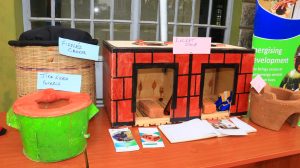
Innovators Exhibitions


One of the key highlights of the first day was an exhibition session where innovators showcased a variety of green products and solutions. Among the innovators was Kibera Women’s Briquettes Group, represented by its leader Millicent Achieng, who transform kitchen waste into briquettes. Through this innovation, they are contributing to improved waste management in their community, reducing air pollution, and helping to lower indoor pollution-related health risks, since briquettes are low-carbon energy alternatives.

Millicent highlighted that one of their biggest ongoing challenges is the lack of machines since they produce them manually. Another challenge is market penetration and the ability to commercially scale and sell their products sustainably. She, however said that these skills have enabled them to keep their children in school and put food on the table.

These innovations demonstrated practical approaches to sustainability, climate resilience, and economic transformation at the community level.

The exhibition provided a platform for networking, learning, and direct engagement between innovators, policymakers, and development partners.

Building a Foundation for Sustainable Growth

Over the three-day conference, participants aim to strengthen collaboration and develop actionable strategies to scale inclusive green enterprises across Kenya. Key focus areas include promoting dialogue on opportunities and challenges within the green economy, showcasing innovative green business models and technologies, and strengthening partnerships between government, the private sector, and civil society organizations. The discussions will also explore financing mechanisms and investment opportunities to enhance policy frameworks and build capacity for sustainable enterprise development to support long-term impact.

LOOKING AHEAD

As the conference progresses, stakeholders are expected to deepen discussions on how Kenya can create a more enabling environment for green enterprises, especially those driven by youth, women, and marginalized communities.

The outcomes of the forum are anticipated to shape future policy direction and strengthen multi-sectoral collaboration in advancing Kenya’s green economy agenda.



The Journey of Water—Kimengelia & Noolturesh Edition

From 21st to 23rd July 2025, WWF-Kenya and WWF-Tanzania led a three-day awareness walk tracing the lifeline of the Kimengelia and Noolturesh Rivers—beginning on the snow-capped peaks of Mount Kilimanjaro (Tanzania) and ending in the arid plains of Kajiado County (Kenya).

Covering approximately seven kilometers daily, participants followed the rivers’ natural course, observing striking changes along the way. In Tanzania, the waters were abundant, clean, and full of life. Yet, as the rivers crossed into Kenya, their flow slowed, their clarity diminished, and in many places, the streams disappeared entirely.

In Kisanjani village and surrounding communities, families now dig into the ground to access water—sharing these scarce points with livestock and wildlife. Some households trek long distances under intense heat for only a few liters to cook and drink, often sparking tensions and conflict over the limited resource.

The journey united conservationists, community leaders, students, and local residents from both countries in dialogue on urgent measures: protecting forests and wetlands, safeguarding riverbanks, preventing illegal water diversions, and promoting sustainable use.

The message was clear: water does not start at the tap—it begins in catchment areas. Protecting these sources is not just about conserving nature, but about safeguarding livelihoods, health, and peace for communities across borders.

Water is life. Protecting it is everyone’s responsibility.

By @jacky_nzisa

Did you know that cooking with electricity is more cost-effective than using LPG, firewood, or charcoal? The Kenyan government is working towards achieving universal access to clean cooking by 2030. According to the Kenya National Cooking Transition Strategy (KNCTS) 2024, 69% of the population still relies on biomass (firewood and charcoal) as their primary cooking and heating source, while 31% use LPG, 1% use electricity, and less than 1% use bioethanol.

Household air pollution remains a significant health hazard, causing over 26,000 deaths annually due to illnesses related to indoor smoke, as highlighted in the Household Air Pollution Strategy 2024. Furthermore, more than 80,000 social institutions—such as schools and hospitals—still depend on firewood as their primary cooking fuel.

Many urban households dedicate weekends to boiling cereals for use throughout the week. More often than not, this is done using charcoal. Let’s break down the costs:

A single measuring container of charcoal in urban areas costs between Ksh 120-160.
Most households require at least two containers for this task, totalling about Ksh 320.
This amount could purchase 12 units of electricity, enough to boil your week’s cereals and still leave some extra power for lighting or other household needs.
Using an electric pressure cooker makes this even cheaper. This kitchen gadget uses minimal electricity because it retains heat effectively—meaning once it reaches the required pressure, you can switch off the power, and it will continue cooking with the trapped heat.

Despite its benefits, the transition to clean cooking faces several challenges:

High Initial Cost – The upfront cost of purchasing an electric cooker or an induction stove discourages many households.
Cultural Beliefs – Some people believe that food cooked with charcoal has a better taste than food prepared using electricity.
Lack of Awareness – Many people are unaware of the long-term cost savings and health benefits of electric cooking.
To meet the 2030 target and reduce deaths from household pollution, Kenya must:

Subsidize Clean Cooking Technologies – The government should provide financial incentives, tax cuts, or subsidies on electric cooking appliances.
Public Awareness Campaigns – Communities need education on the economic and health benefits of clean cooking.
Improve Electricity Access and Affordability – Expanding power grid connectivity and ensuring affordable tariffs for domestic consumers will encourage more households to adopt electric cooking.
As I conclude I make this informative call to you my reader. Transitioning to clean cooking is not only a cost-saving move but also a critical step towards a healthier and more sustainable future. The time to make the switch is now